
Southern Vietnam
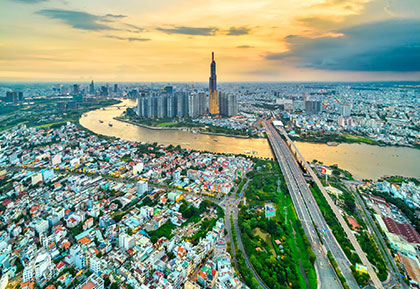
Southern Vietnam is a region of contrasts, where modern energy meets fertile landscapes and timeless traditions. Ho Chi Minh City buzzes with colonial landmarks, vibrant markets, and a dynamic urban spirit, while the Mekong Delta reveals a slower pace with its floating markets, orchards, and waterways. Offshore, islands like Phu Quoc provide sandy beaches and tropical escapes, rounding out a region that blends history, culture, and natural beauty.
Ho Chi Minh City
Ho Chi Minh City also knowns as Saigon is the country’s largest metropolis, where French colonial heritage blends with modern skyscrapers and lively markets. Must-see landmarks include the Notre Dame Cathedral, Central Post Office, and the Saigon Opera House, all reflecting colonial-era elegance. History comes alive at the War Remnants Museum and the Reunification Palace, while Ben Thanh Market offers a bustling taste of local life. The city’s vibrant café culture, rooftop bars, and street food scene make it an essential stop for travelers.
Cu Chi Tunnels
A short drive from the city, the Cu Chi Tunnels reveal an underground network once used during the Vietnam War. Visitors can explore the narrow passageways, hidden chambers, and learn about the ingenuity of the Viet Cong, gaining insight into the country’s resilience and wartime history. For those interested, the site also features a shooting range where visitors can safely try firing historic rifles, adding an optional interactive experience to the visit.
Mekong Delta
Often called Vietnam’s “rice bowl,” is a world of rivers, canals, and lush countryside. Boat trips through floating markets like Cai Rang or Cai Be showcase a unique way of life, where trading happens on the water. Visitors can also explore fruit orchards, rice paddies, and stilted villages, experiencing the delta’s agricultural richness and warm hospitality.
Cao Dai Temple
Located in Tây Ninh Province, about 90 km northwest of Ho Chi Minh City (a 2–2.5 hour drive), the colorful Cao Dai Temple offers a spiritual and cultural highlight. As the headquarters of the Cao Dai religion, the temple is a striking blend of architectural styles and vibrant interiors. Daily noon ceremonies, where worshippers in white robes gather in prayer, provide an inspiring glimpse into Vietnam’s spiritual diversity, reflecting a unique fusion of Buddhism, Christianity, Taoism, and Confucianism.
Phu Quoc Island
Offshore, Phu Quoc Island is Southern Vietnam’s tropical paradise, known for its sandy beaches, clear waters, and laid-back atmosphere. The island offers luxury resorts and beach relaxation alongside activities like snorkeling, diving, visiting pepper farms, and exploring Phu Quoc National Park. It’s an ideal escape for those seeking both nature and leisure.