
Northern Vietnam
Overview
Northern Vietnam is a land of contrasts, where the country’s ancient heritage meets dramatic natural beauty. The region combines the vibrant energy of Hanoi, with its colonial landmarks and bustling street life, the tranquil seascapes of Halong Bay, where limestone peaks rise from emerald waters, and the misty mountains of Sapa, home to terraced rice fields and colorful ethnic minority cultures. South of the capital, Ninh Binh offers peaceful river landscapes and karst cliffs, often called “Halong Bay on land.” Together, these destinations showcase the rich culture, history, and breathtaking scenery that define the northern gateway to Vietnam.
Hanoi
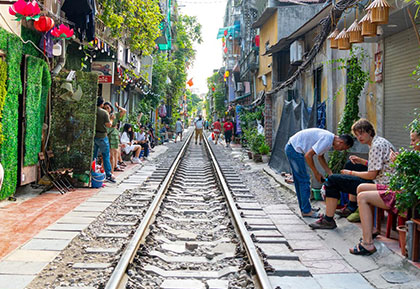
Hanoi, the capital of Vietnam, is a vibrant city where centuries-old traditions blend seamlessly with modern life. Nestled on the banks of the Red River, it boasts a rich cultural heritage reflected in its French colonial architecture, serene lakes, bustling markets, and historic temples. Known for its charming Old Quarter, tree-lined boulevards, and lively street-side cafés, Hanoi offers an authentic glimpse into Vietnamese daily life, cuisine, and arts, making it both a cultural and culinary hub for travelers exploring northern Vietnam.
Must-See Highlights in Hanoi
Hanoi is a city of history, culture, and charm. The Ho Chi Minh Mausoleum complex, including the Presidential Palace and Ho Chi Minh’s Stilt House, offers insight into Vietnam’s revered leader and modern history. The Temple of Literature, Vietnam’s first university, showcases classical Vietnamese architecture and Confucian heritage. Hoan Kiem Lake, with its iconic and Ngoc Son Temple lively walking paths, is the heart of the city’s social life. The bustling Old Quarter is perfect for wandering narrow streets lined with shops, street-food stalls, and colonial-era buildings, while the Water Puppet Theatre presents a unique Vietnamese art form. Other highlights include the Hanoi Opera House, St. Joseph’s Cathedral, and the Vietnam Museum of Ethnology, which offers an in-depth look at the country’s diverse ethnic groups.
Nearby Extensions & Tours from Hanoi
Hanoi serves as an ideal base for exploring Northern Vietnam’s natural and cultural treasures. Halong Bay, about 170 km east, enchants visitors with its emerald waters and thousands of limestone karsts; day cruises or overnight boat trips offer kayaking, cave visits, and floating village experiences. Sapa, nestled in the Hoàng Liên Son Mountains around 320 km northwest, is famous for terraced rice fields, ethnic minority villages, and trekking trails that provide an immersive cultural experience. Ninh Binh, roughly 100 km south, offers a quieter, scenic alternative with its “Halong Bay on land” karst landscapes, river boat rides through Tam Coc, ancient temples, and the historic capital of Hoa Lu. Each destination complements Hanoi’s urban charms with spectacular scenery, cultural encounters, and hands-on adventures.
Halong Bay
Located about 170 km east of Hanoi, Halong Bay is famed for its emerald waters and thousands of limestone karsts and islets rising dramatically from the sea. Cruises through the bay reveal hidden caves, floating villages, and opportunities for kayaking, swimming, and photography, making it a quintessential natural wonder of Vietnam.
Sapa
Nestled in the Hoang Lien Son mountains about 350 km northwest of Hanoi, Sapa is known for its terraced rice fields, cool climate, and vibrant hill-tribe communities. Trekking through villages like Cat Cat, Lao Chai, and Ta Van provides insight into the culture of the H’mong, Dao, and other indigenous groups, while panoramic viewpoints like Fansipan Mountain offer breathtaking vistas.
Ninh Binh
Around 95 km south of Hanoi, Ninh Binh is nicknamed “Halong Bay on land” for its karst formations and winding rivers. Visitors can enjoy peaceful boat rides through Tam Coc’s limestone caves and rice paddies, or explore Trang An, a UNESCO World Heritage landscape of grottoes, temples, and lush valleys surrounded by dramatic cliffs. Hoa Lu ancient capital is home to temples dedicated to King Dinh and King Le reflect the country’s early dynastic heritage. Other highlights include the serene Bich Dong Pagoda and the panoramic viewpoint at Mua Cave, making Ninh Binh a perfect blend of natural beauty and cultural history.